
Gallery
Explore by era

WWI & Pre-WWII (1910–1938)
Biplanes, dogfights, and the dawn of military aviation.
Military aviation was barely a decade old when the First World War broke out in 1914. The Royal Flying Corps, formed in 1912, flew aircraft like the Sopwith Camel against Germany’s Fokker Dr.I, flown by aces including the Red Baron. On 1 April 1918, the RFC merged with the RNAS to form the Royal Air Force — the world’s first independent air force. The interwar years pushed biplane design to its limits, with the Hawker Fury and Nimrod equipping squadrons through the early 1930s, before the Gloster Gladiator became the RAF’s last biplane fighter in 1937, fighting on into the Second World War.
WWII (1939–1945)
Spitfires, Mustangs, and the aircraft that shaped a war.
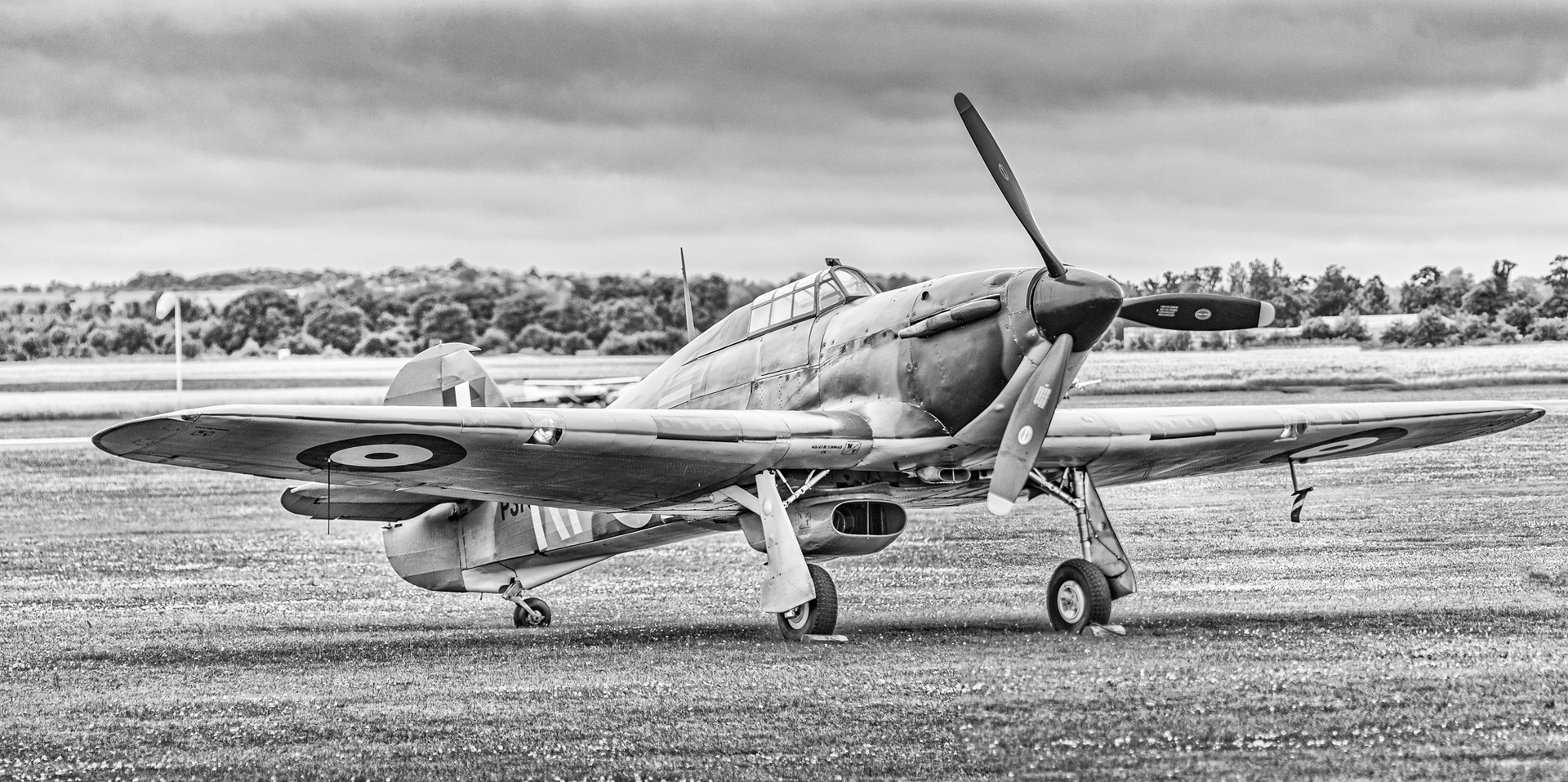
When war broke out in September 1939, the Spitfire and Hurricane were only recently in RAF service, yet within a year they decided the Battle of Britain, the Hurricane alone accounting for around 60% of German losses. American industry joined the fight, with the B-17 and P-51 Mustang — paired with the Rolls-Royce Merlin from 1942 — becoming fixtures of the bombing campaign over Europe. The C-47 Dakota dropped paratroopers over Normandy on D-Day, June 1944, and later flew the Berlin Airlift. That same year, Germany’s Messerschmitt Me 262 became the world’s first operational jet fighter, before the war ended in 1945.
Cold War (1946–1990)
Jet age power, from the Vulcan to the Lightning.
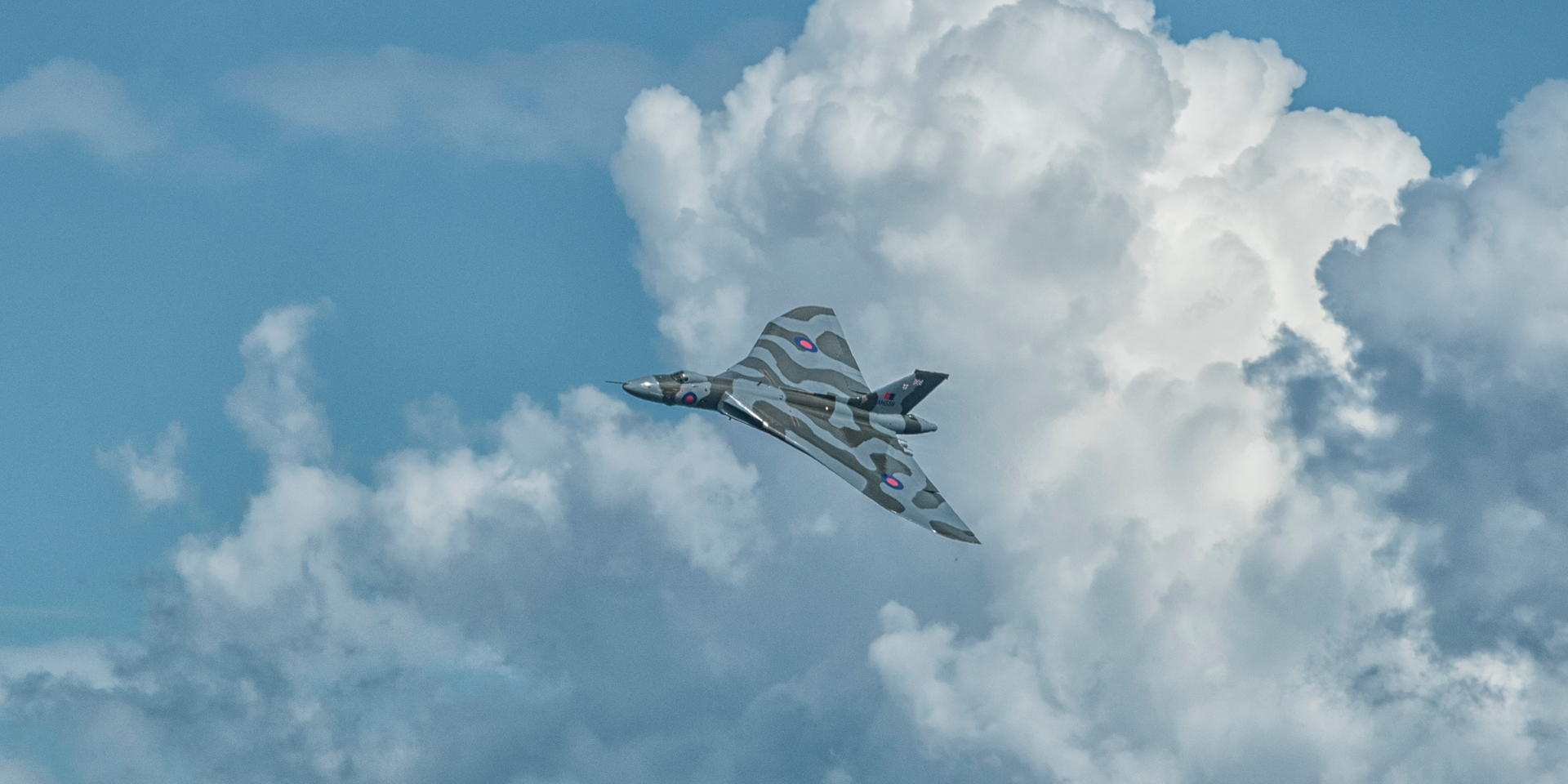
Peace in 1945 brought a new threat, and Britain answered with the V-bomber force. The Avro Vulcan first flew in 1952 and entered service in 1956, joining the Victor and Valiant as Britain’s nuclear deterrent. The English Electric Lightning, Britain’s only home-grown Mach 2 fighter, first flew in 1954 and entered service in 1960, guarding the V-force’s airfields from Soviet bombers. When the Falklands War broke out in 1982, the Vulcan flew the longest bombing raids in history at the time, the Black Buck missions from Ascension Island. It retired in 1984; the Cold War itself ended with the Berlin Wall’s fall in 1989.
Modern & Contemporary (1990–present)
Today's air forces, captured in flight.
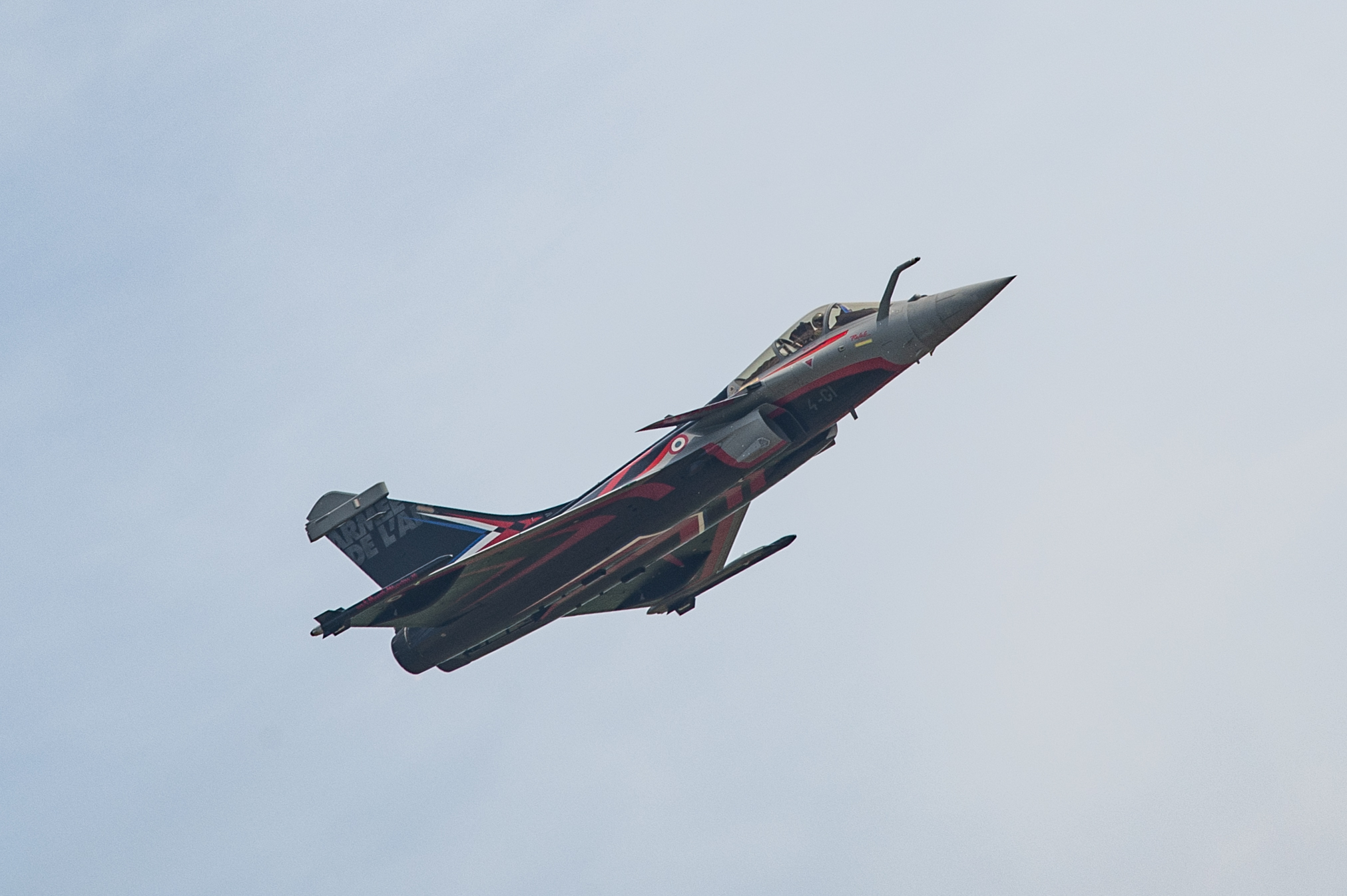
The end of the Cold War didn’t end conflict for British air power. The 1991 Gulf War saw RAF Tornados strike Iraq, followed by operations over the Balkans and Afghanistan. The Eurofighter Typhoon entered RAF service in 2003 and saw its first combat over Libya in 2011. More recently, the F-35 Lightning II has restored Britain’s carrier strike capability aboard the Queen Elizabeth-class carriers. Away from combat, displays from the Red Arrows to visiting NATO air forces showcase the RAF’s modern fleet, while heritage flying keeps WWI, WWII, and Cold War types airborne alongside them — over a century of aviation history still flying today.
AFV (1915–present)
Tanks and armour from the battlefield to the show ground.
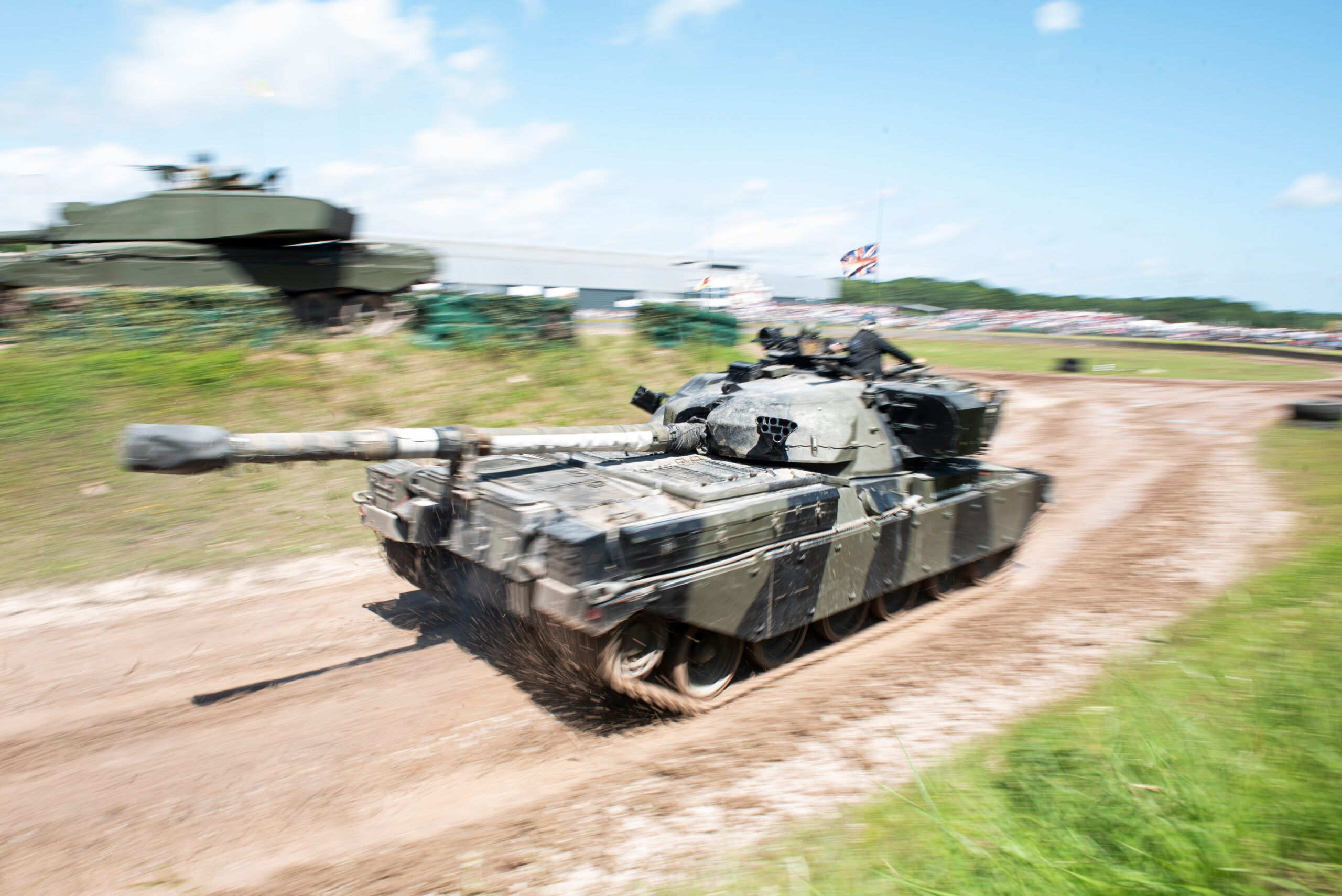
The tank was born from the stalemate of trench warfare. From 1915, Britain’s Landships Committee developed a ‘land battleship’, and on 15 September 1916 the world’s first tanks went into combat at Flers-Courcelette during the Somme offensive. Design matured through the Second World War, when the American Sherman was built by the thousand. The Cold War brought heavier armour: Britain’s Centurion gave way to the Chieftain in 1966, the first NATO tank with a 120mm gun as standard, serving for three decades. Today’s Challenger 2, in service since 1994, carries that lineage on, alongside historic tanks still seen at events like Tankfest.